
WINTER 2022
METAVERSE PROJECT
I directed a Metaverse project with North Kingdom in Sweden to explore what the browser experience would be like on a headset as well as how generative AI tools could enhance memory experiences.
Defining a system
We needed a new metaphor to describe “webpages” in a spatial environment. We liked the metaphor of orbs as a way of physicalizing spaces.
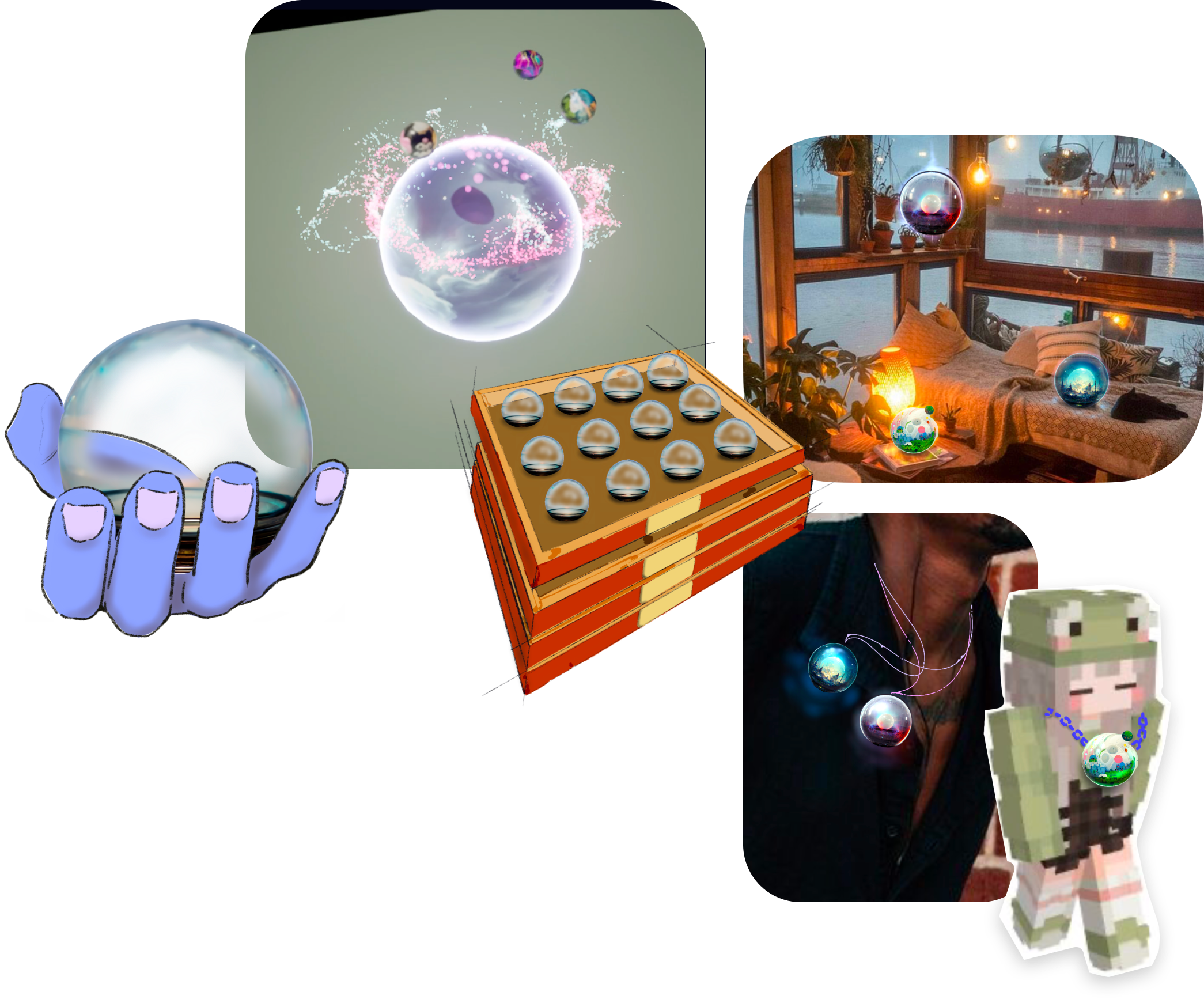
Orbs can be held, they can display information about who’s visiting them, they can be stored in unique repositories, they can be used as decorative items in a space, they can be worn by you or your digital avatar
What are orbs
By physicalizing a web URL, it made the navigation more tangible and less reliant on indirect menu systems.
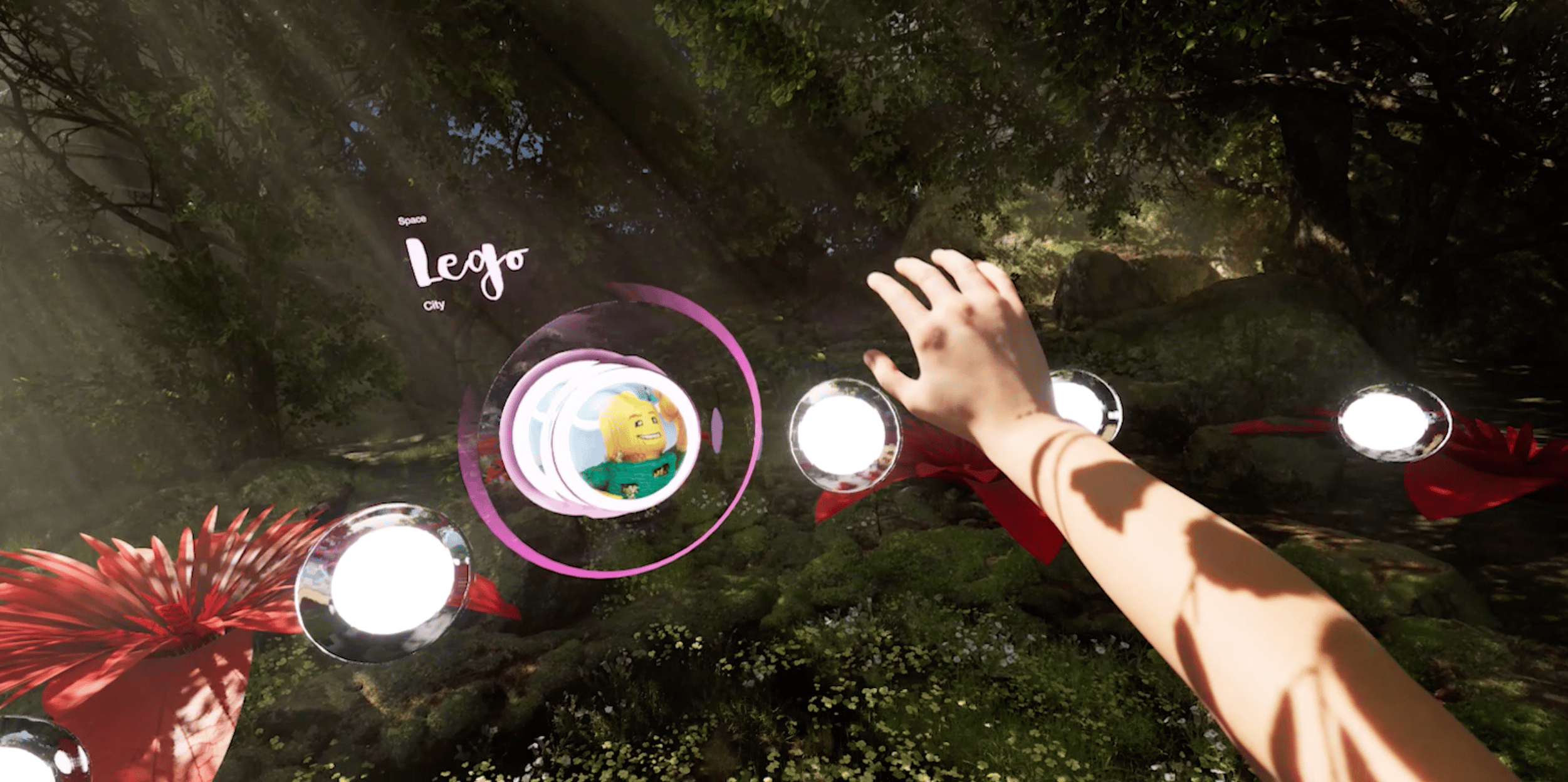
Summon your orbs and select your destination by grabbing the orb.
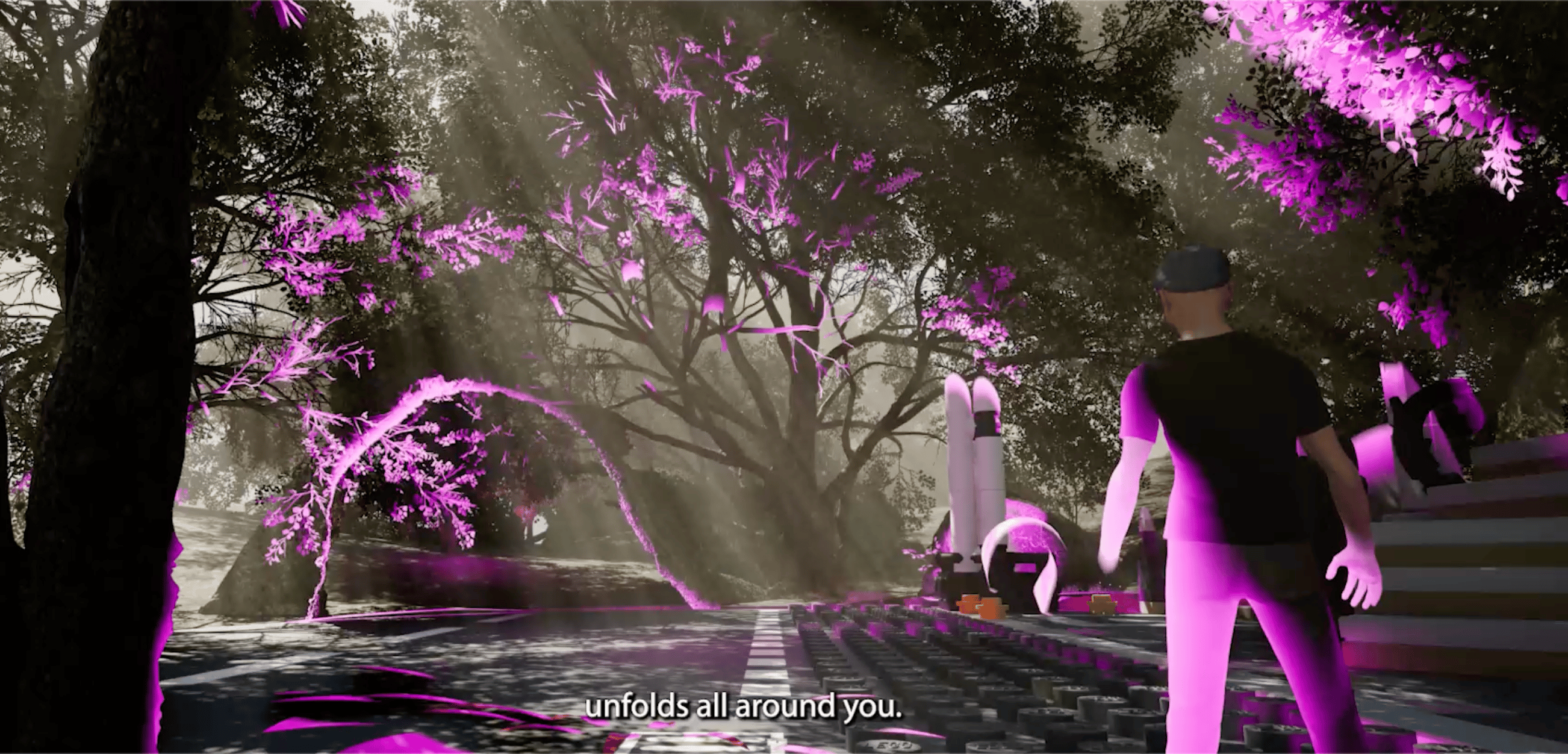
Throw the orb like a Pokéball.
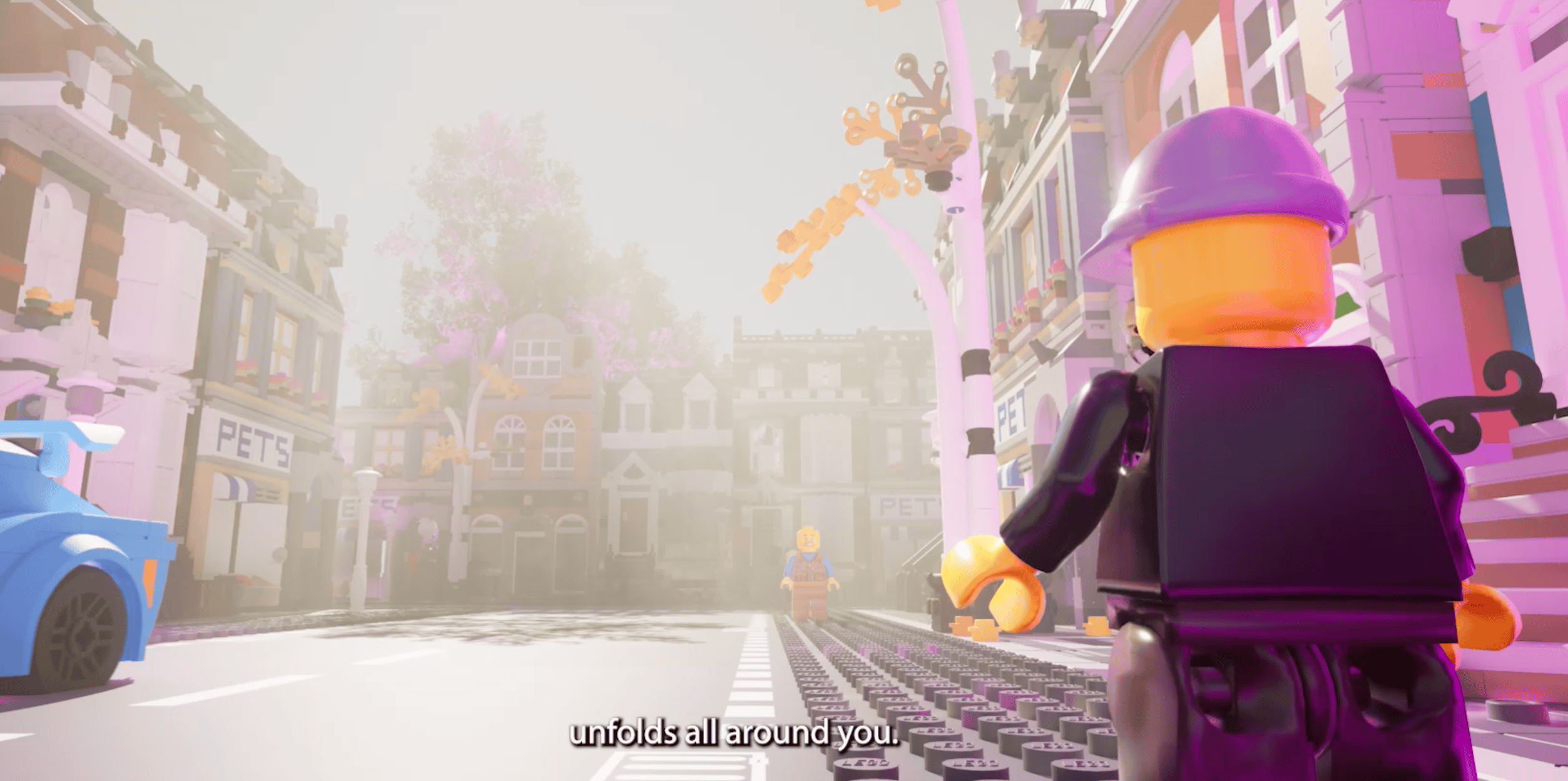
The orb breaks and transforms your environment to transport you to your destination.
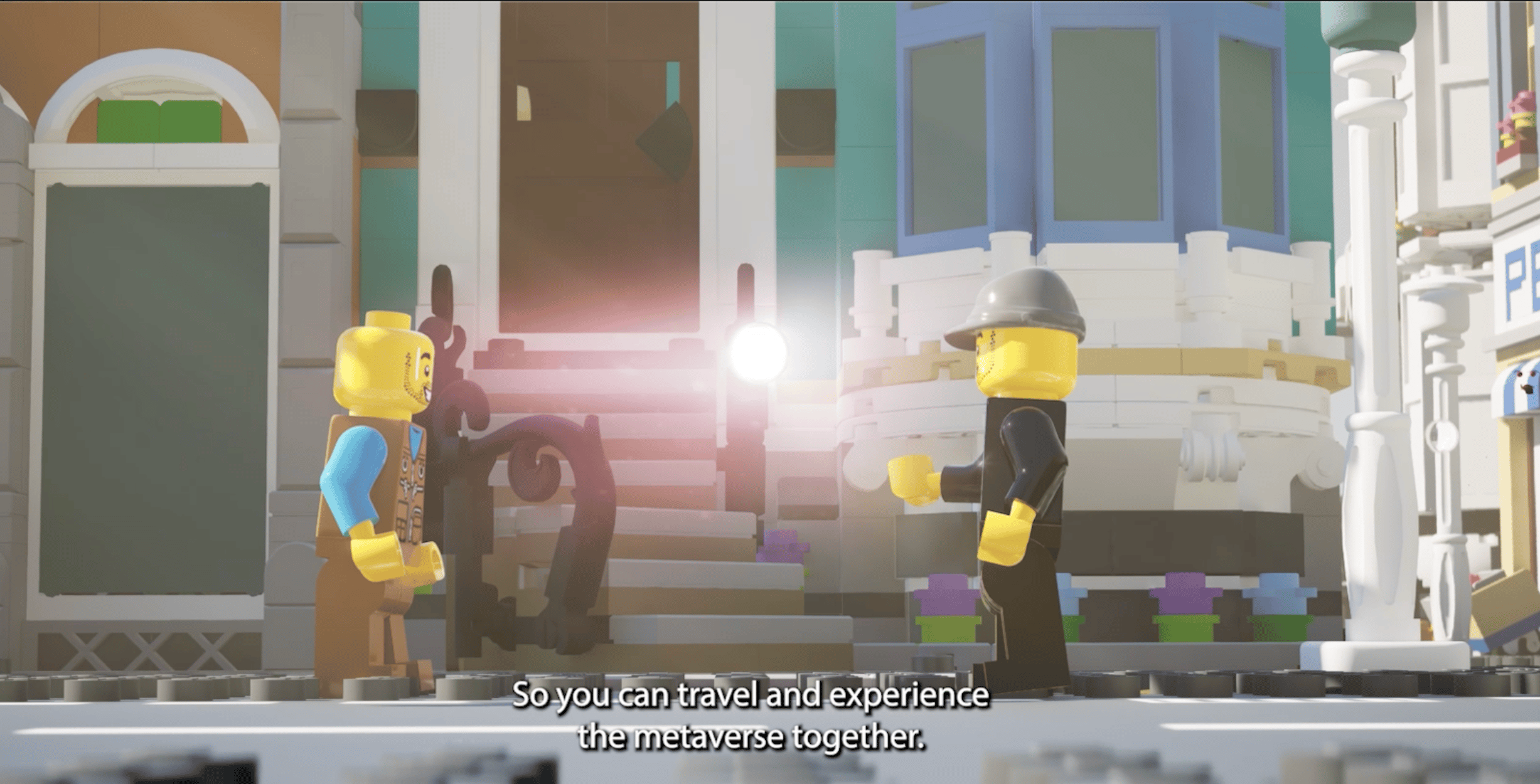
Easily toss an orb to a friend to share a link.
Navigation UI
The navigation would need to adapt to the physicality of the medium.
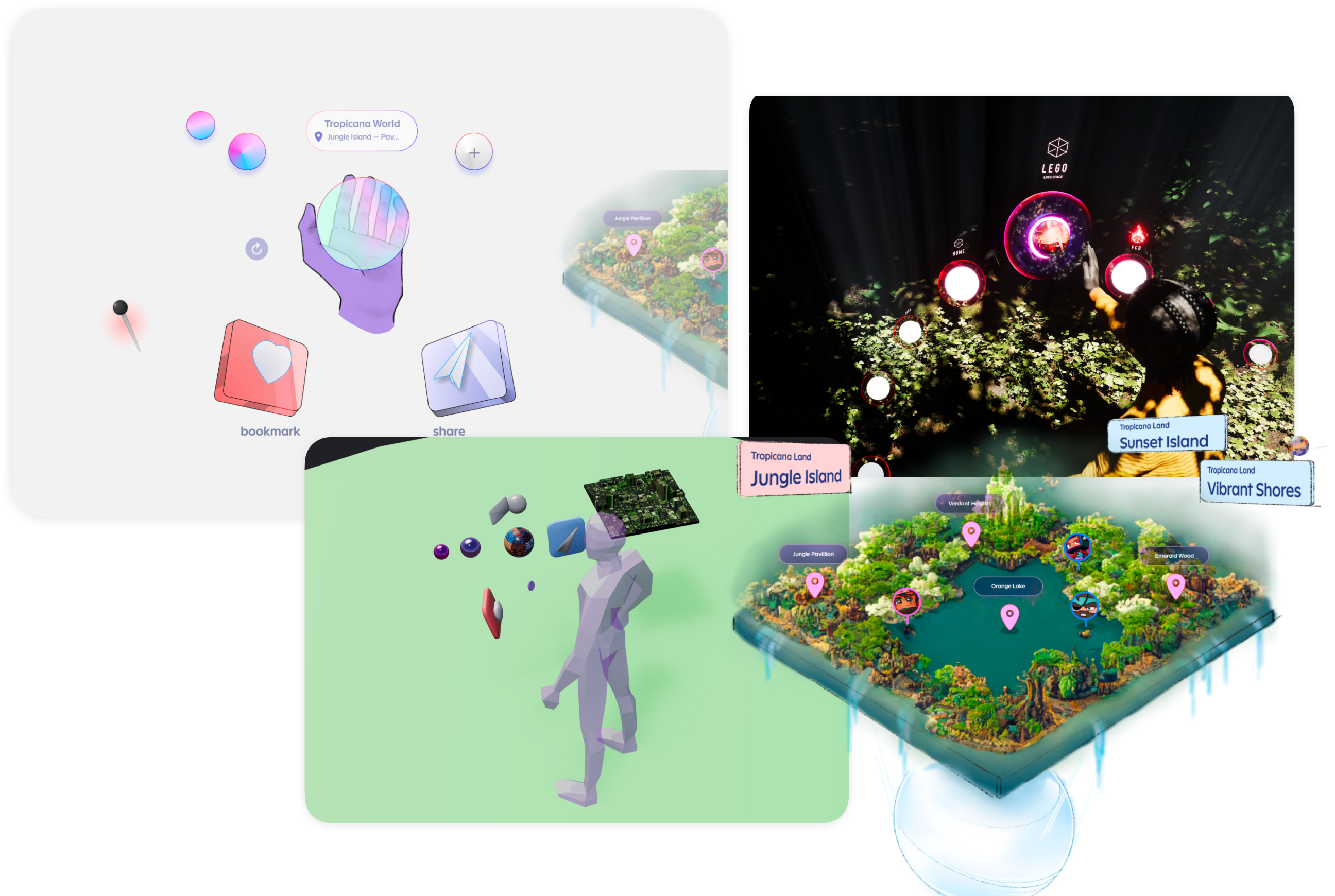
CORE FUNCTION
The images to the left show how common web browser UI is translated into physical space: items like the back button, previously visited spaces, bookmarks, sharing, URL address, as well as input for a new space are all present.
A map provides spatial orientation, fast travel, and seeing the location of your friends.
Reliving memories
The second half of the project explored memories in a spatial manner and utilizing generative AI to customize and edit those experiences.
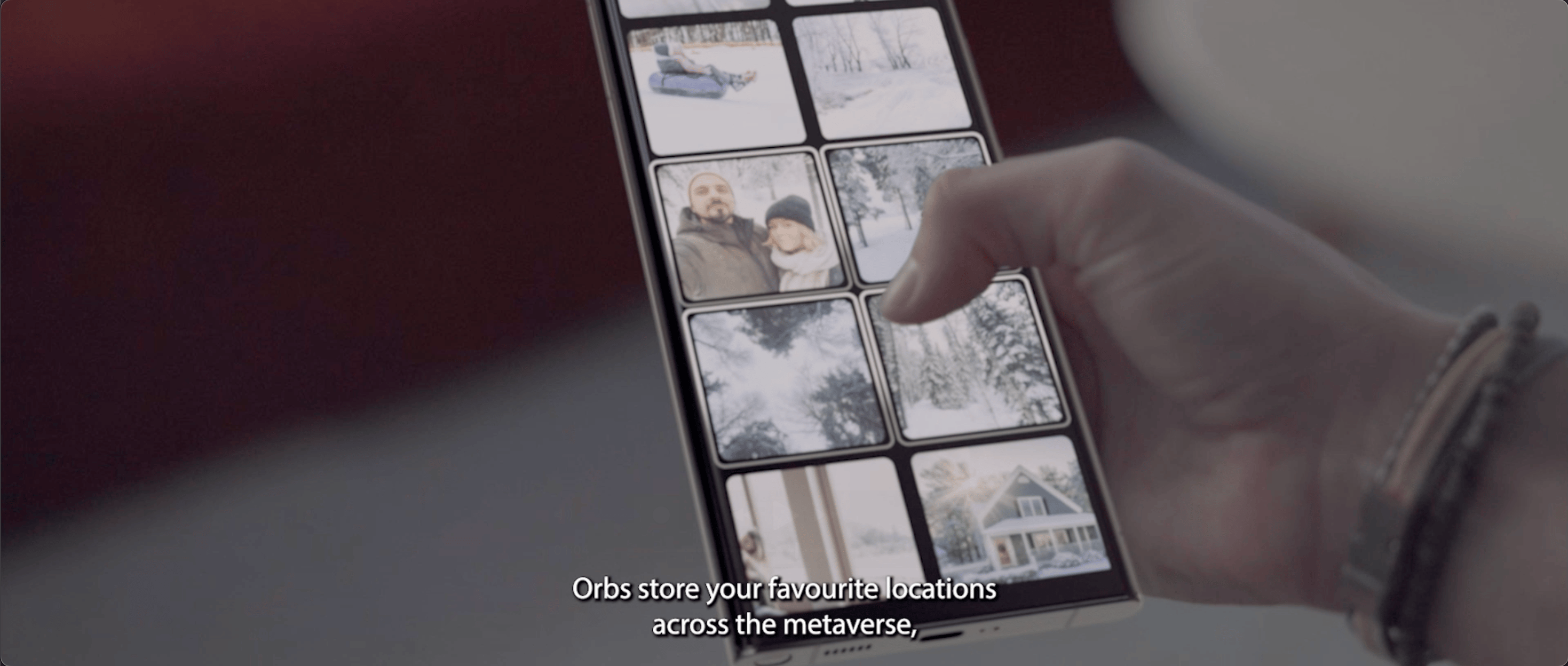
Selecting images and video to add to an orb and generating a space.
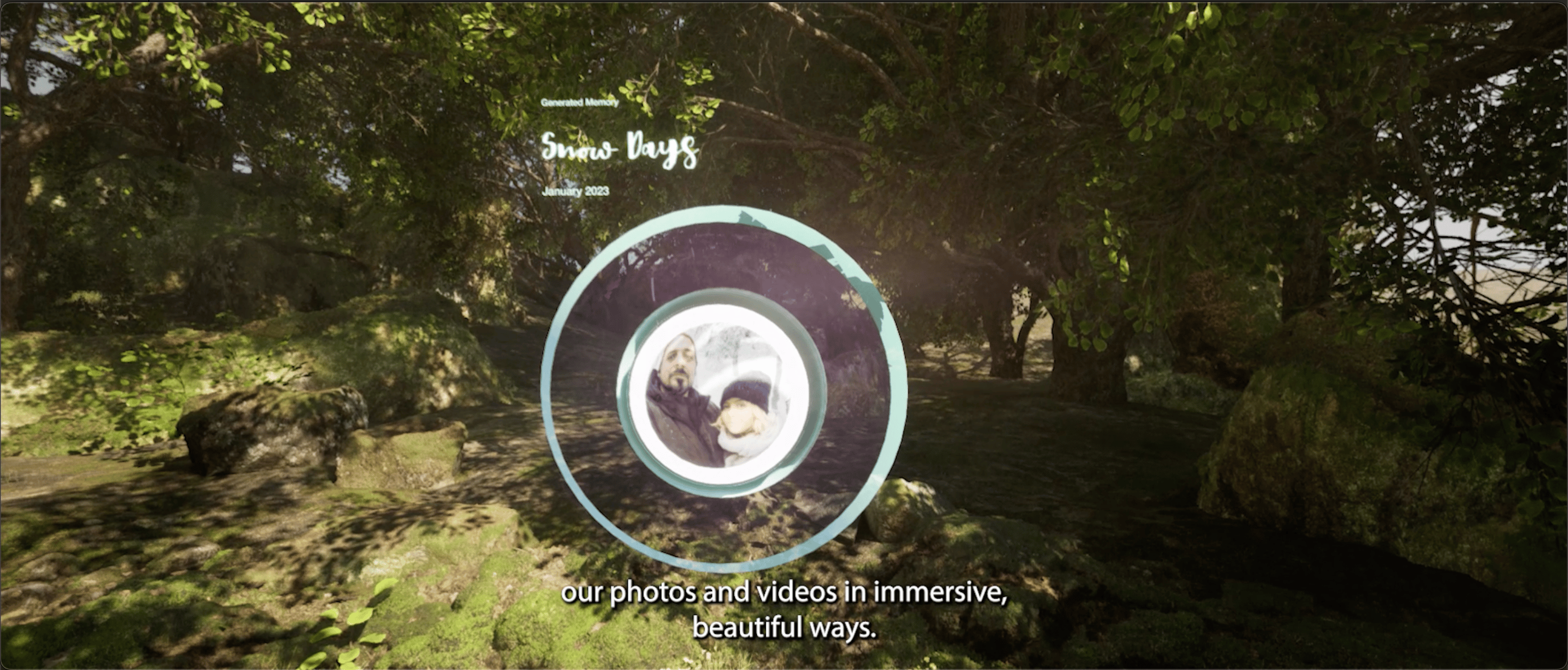
When generation is complete, and orb is created.
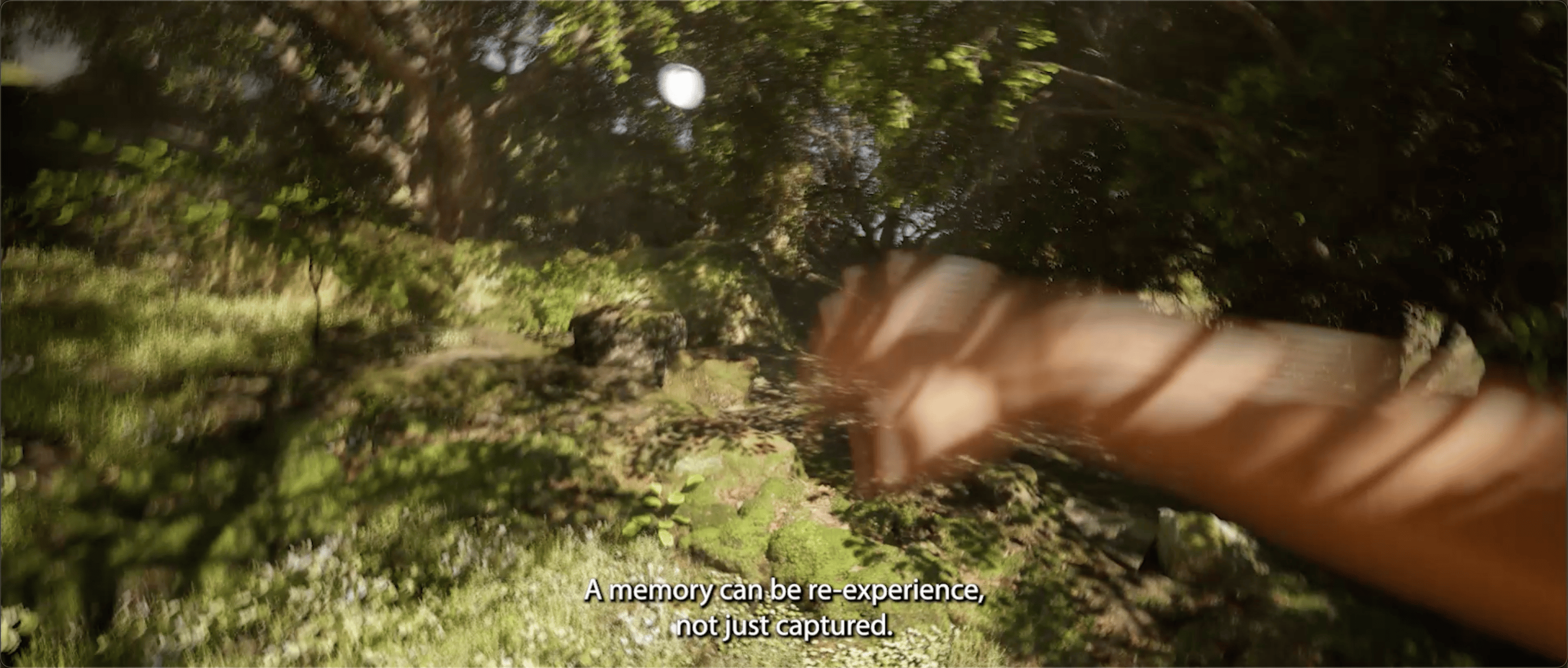
Throw the orb to expand and enter the space.
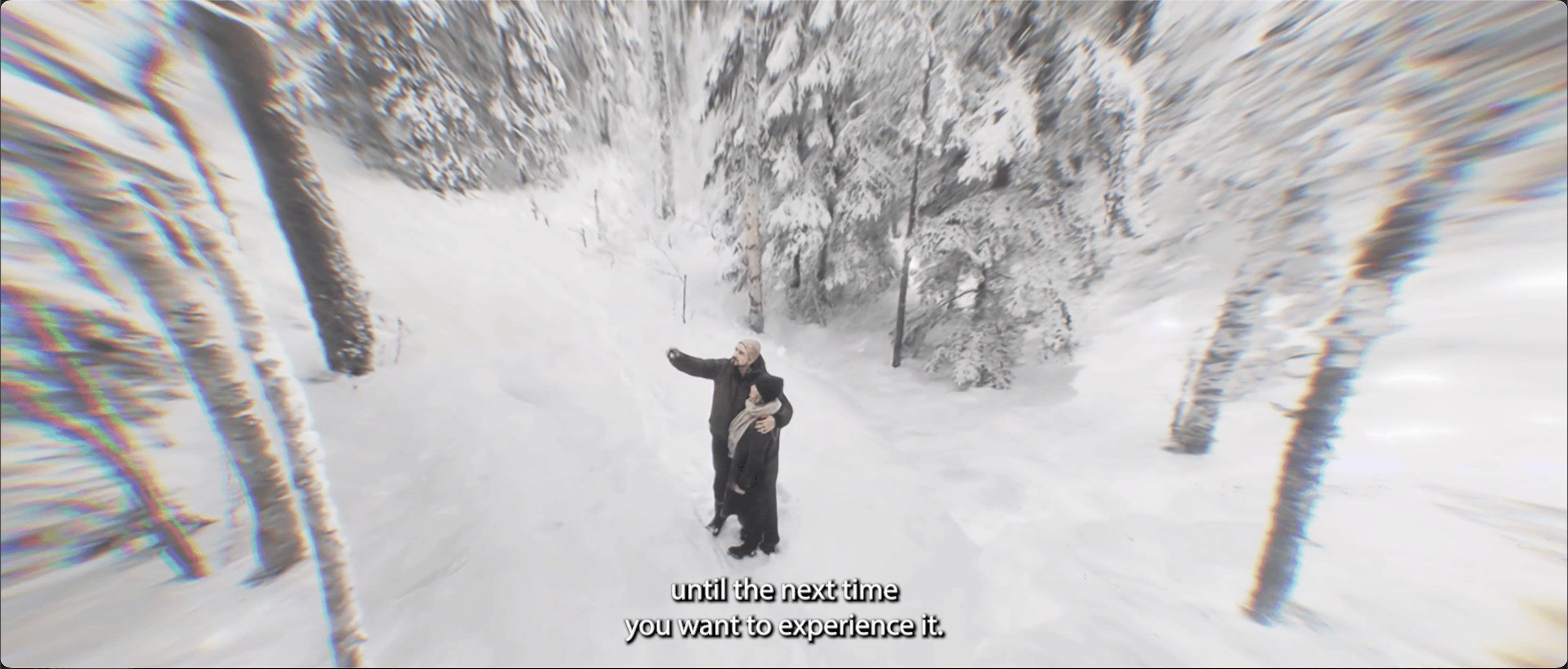
Relive a memory spatially as if you’re experiencing it for the first time.
Enhancing memories
With generative AI, we can change the aesthetic of a scene to resemble a painting. We can interact with the spatial capture and change the weather, lighting, and soundscape.
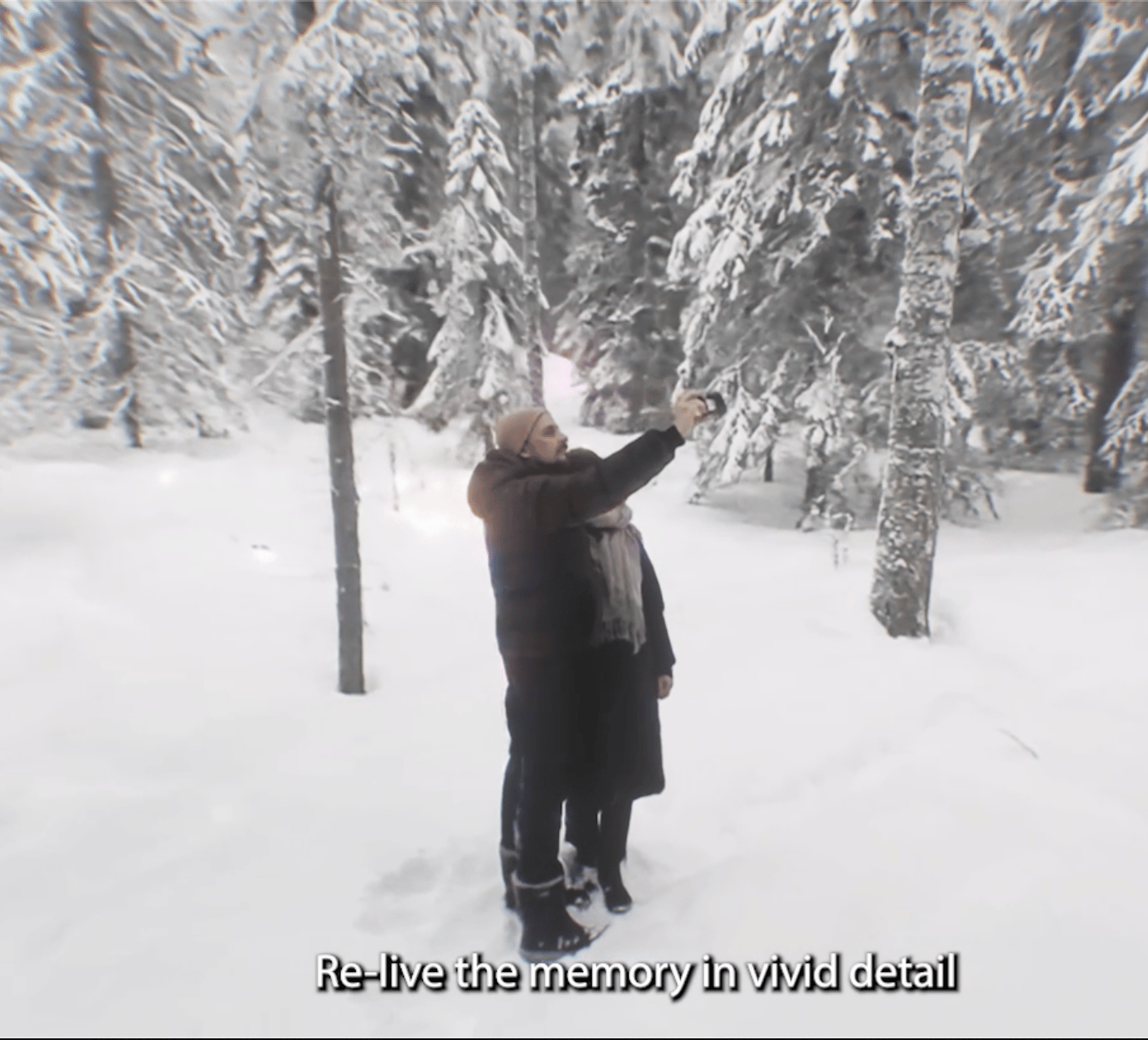
Spatial capture generated from added media.
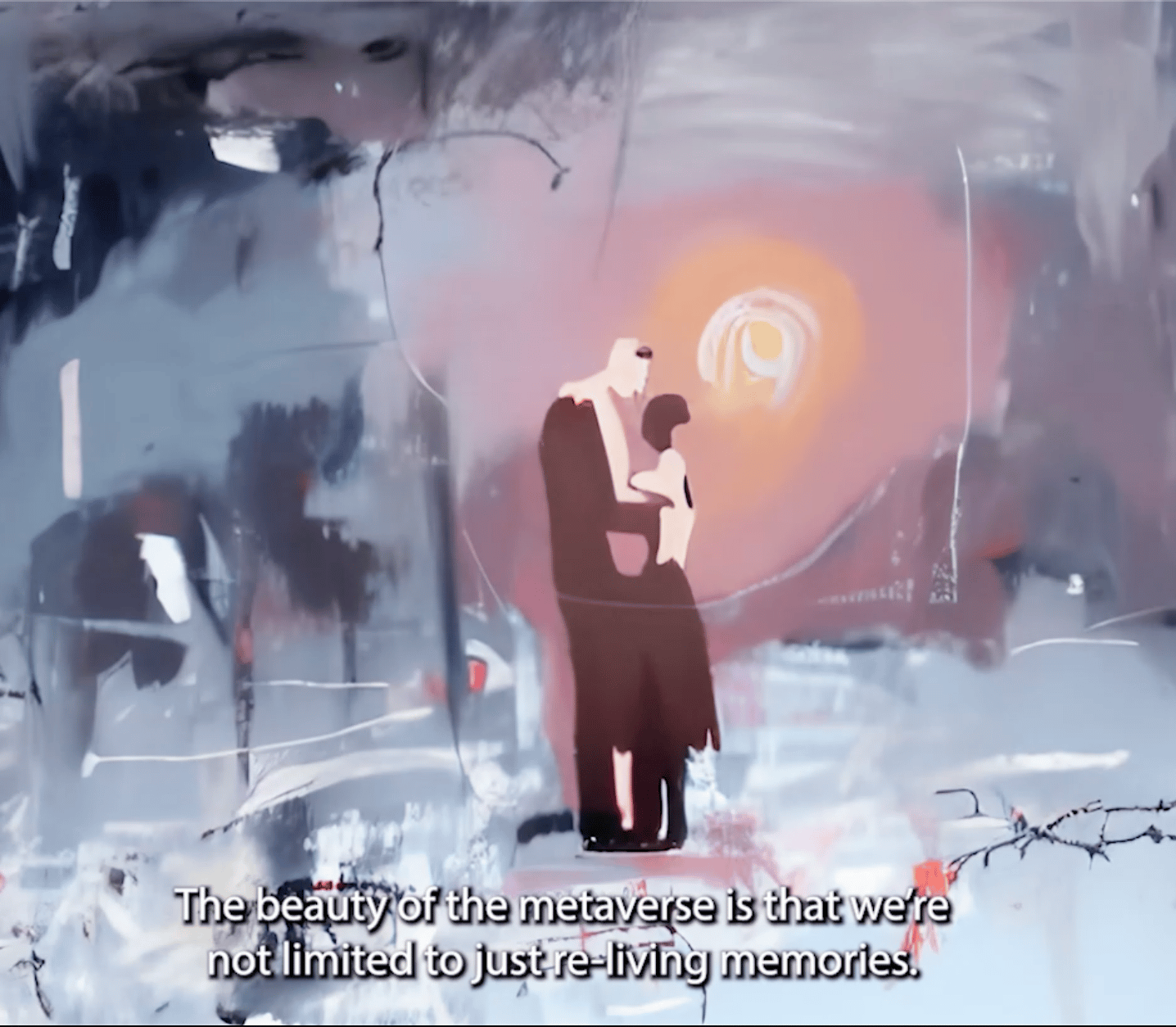
Stylistic Changes
Restyling of spatial capture using generative AI.
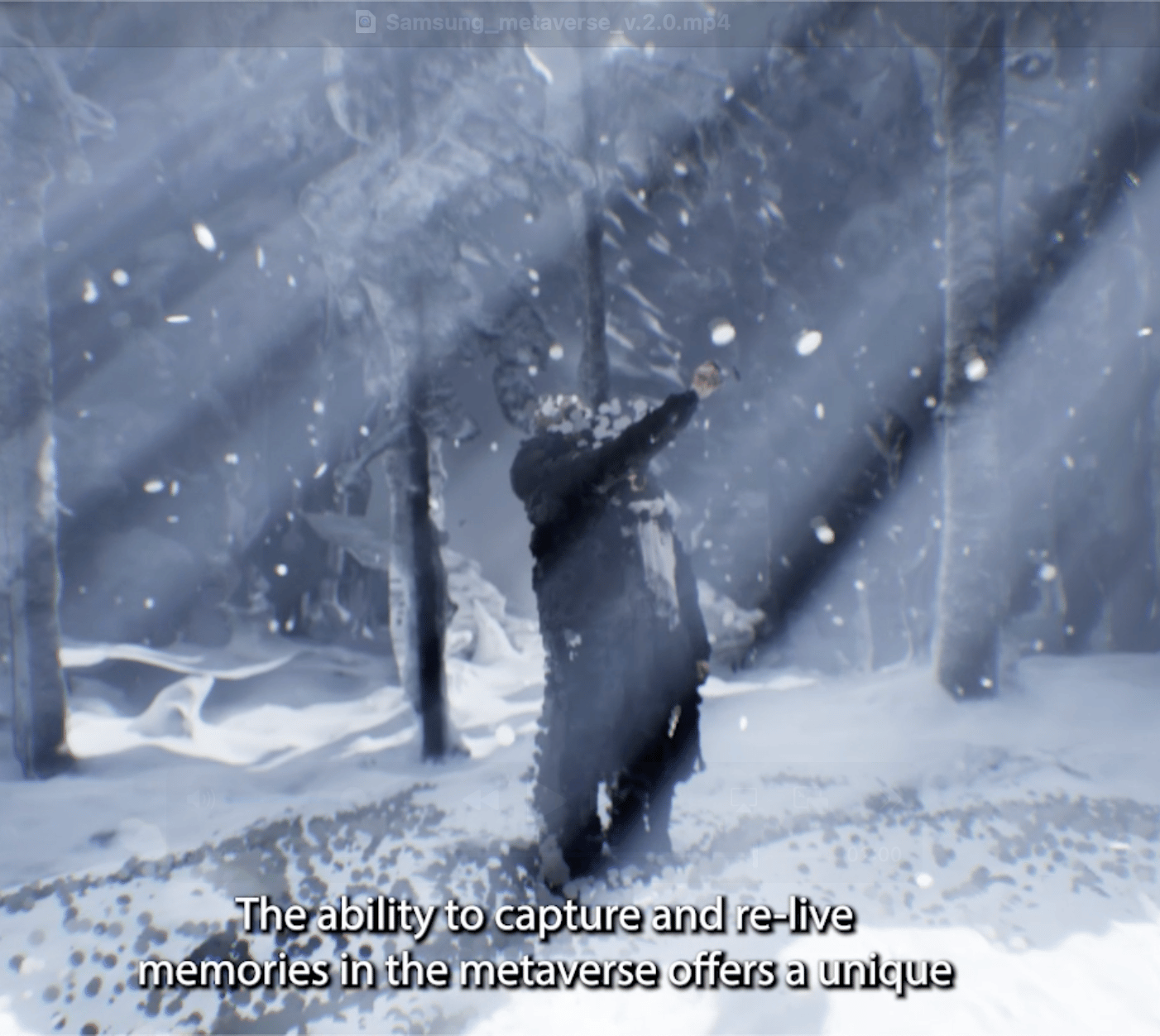
Weather Changes
Added snowflake precipitation.
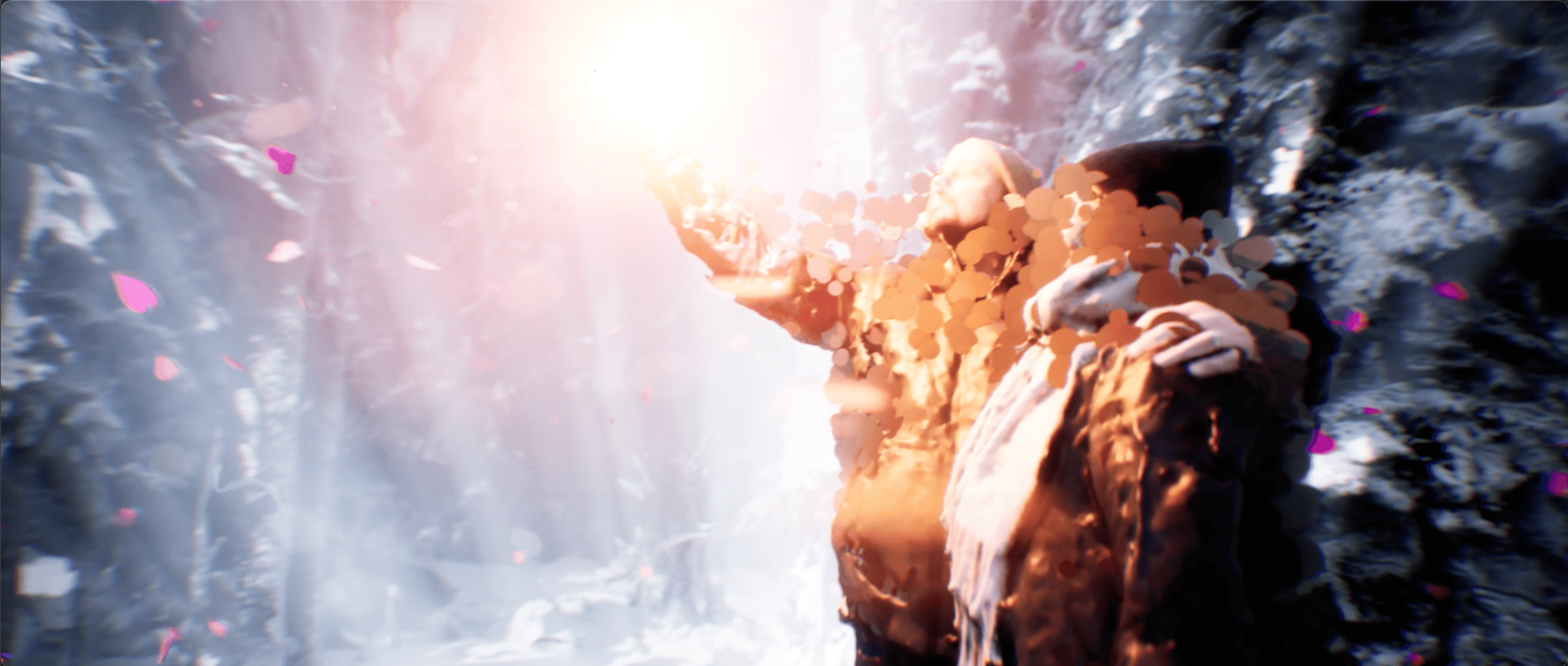
VFX Changes
Transformation of snowflakes into hearts.
RECAP
PROBLEM
What is the browser for the metaverse? How does it work?
Research
Internal research on browser UX patterns.
Technical research on gaussian splat technology to generate traversable video.
Impact
Demonstration of Generative AI tools within future One UI environment, providing key use case scenarios for XR product development team.
AI HOME
Home
Patents and Awards
About
WINTER 2022
METAVERSE PROJECT
I directed a Metaverse project with North Kingdom in Sweden to explore what the browser experience would be like on a headset as well as how generative AI tools could enhance memory experiences.
Defining a system
We needed a new metaphor to describe “webpages” in a spatial environment. We liked the metaphor of orbs as a way of physicalizing spaces.
Orbs can be held, they can display information about who’s visiting them, they can be stored in unique repositories, they can be used as decorative items in a space, they can be worn by you or your digital avatar
What are orbs
By physicalizing a web URL, it made the navigation more tangible and less reliant on indirect menu systems.
Summon your orbs and select your destination by grabbing the orb.
Throw the orb like a Pokéball.
The orb breaks and transforms your environment to transport you to your destination.
Easily toss an orb to a friend to share a link.
Navigation UI
The navigation would need to adapt to the physicality of the medium.
CORE FUNCTION
The images to the left show how common web browser UI is translated into physical space: items like the back button, previously visited spaces, bookmarks, sharing, URL address, as well as input for a new space are all present.
A map provides spatial orientation, fast travel, and seeing the location of your friends.
Reliving memories
The second half of the project explored memories in a spatial manner and utilizing generative AI to customize and edit those experiences.
Selecting images and video to add to an orb and generating a space.
When generation is complete, and orb is created.
Throw the orb to expand and enter the space.
Relive a memory spatially as if you’re experiencing it for the first time.
Enhancing memories
With generative AI, we can change the aesthetic of a scene to resemble a painting. We can interact with the spatial capture and change the weather, lighting, and soundscape.
Spatial capture generated from added media.
Stylistic Changes
Restyling of spatial capture using generative AI.
Weather Changes
Added snowflake precipitation.
VFX Changes
Transformation of snowflakes into hearts.
RECAP
PROBLEM
What is the browser for the metaverse? How does it work?
Research
Internal research on browser UX patterns.
Technical research on gaussian splat technology to generate traversable video.
Impact
Demonstration of Generative AI tools within future One UI environment, providing key use case scenarios for XR product development team.
AI HOME
Home
Patents and Awards
About
WINTER 2022
METAVERSE PROJECT
I directed a Metaverse project with North Kingdom in Sweden to explore what the browser experience would be like on a headset as well as how generative AI tools could enhance memory experiences.
Defining a system
We needed a new metaphor to describe “webpages” in a spatial environment. We liked the metaphor of orbs as a way of physicalizing spaces.
Orbs can be held, they can display information about who’s visiting them, they can be stored in unique repositories, they can be used as decorative items in a space, they can be worn by you or your digital avatar
What are orbs
By physicalizing a web URL, it made the navigation more tangible and less reliant on indirect menu systems.
Summon your orbs and select your destination by grabbing the orb.
Throw the orb like a Pokéball.
The orb breaks and transforms your environment to transport you to your destination.
Easily toss an orb to a friend to share a link.
Navigation UI
The navigation would need to adapt to the physicality of the medium.
CORE FUNCTION
The images to the left show how common web browser UI is translated into physical space: items like the back button, previously visited spaces, bookmarks, sharing, URL address, as well as input for a new space are all present.
A map provides spatial orientation, fast travel, and seeing the location of your friends.
Reliving memories
The second half of the project explored memories in a spatial manner and utilizing generative AI to customize and edit those experiences.
Selecting images and video to add to an orb and generating a space.
When generation is complete, and orb is created.
Throw the orb to expand and enter the space.
Relive a memory spatially as if you’re experiencing it for the first time.
Enhancing memories
With generative AI, we can change the aesthetic of a scene to resemble a painting. We can interact with the spatial capture and change the weather, lighting, and soundscape.
Spatial capture generated from added media.
Stylistic Changes
Restyling of spatial capture using generative AI.
Weather Changes
Added snowflake precipitation.
VFX Changes
Transformation of snowflakes into hearts.
RECAP
PROBLEM
What is the browser for the metaverse? How does it work?
Research
Internal research on browser UX patterns.
Technical research on gaussian splat technology to generate traversable video.
Impact
Demonstration of Generative AI tools within future One UI environment, providing key use case scenarios for XR product development team.
AI HOME
Home
Patents and Awards
About